Brian West’s disappearance
The ChangelingBrian West’s disappearance is the abrupt rupture in the young family’s apparent happy ending: by Apollo Kagwa’s fourth birthday, Brian is gone, and his absence becomes a defining fact of Apollo’s childhood. The novel gives no immediate explanation for where he went. Instead, it follows the consequences of an absence so complete that the family’s life divides into before and after, while the unanswered question persists beneath the new routines they build.
Background and Disappearance
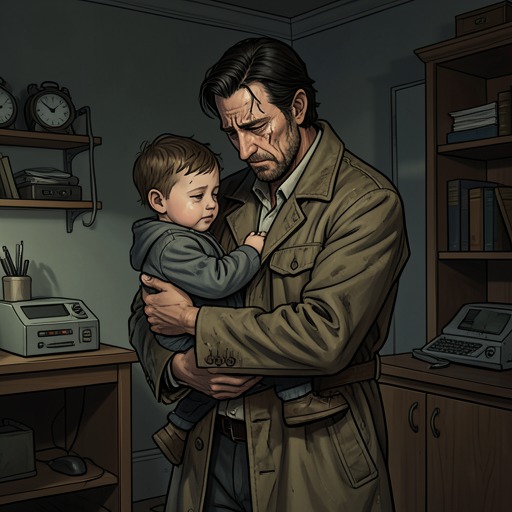
Brian and Lillian Kagwa had named their son Apollo and settled into a two-bedroom apartment in Jackson Heights. Brian liked carrying the newborn in the crook of one arm and murmuring to him; for a few years, the family seemed to inhabit the happy ending that the story briefly promises. That promise is sharply qualified: Brian was gone by Apollo’s fourth birthday.
The disappearance is distinguished from an ordinary departure. Brian had not run off with another woman or returned to Syracuse. He left no apparent trail—not breadcrumbs, not credit-card receipts—and could not be found. The account offers no confirmed motive or destination. Its emphasis on the missing traces makes the uncertainty itself part of the event: Brian is not merely absent from the apartment but seemingly erased from the means by which a person might be followed.
The disappearance also reverses the family’s sense of arrival. Brian and Lillian had believed Apollo’s birth meant they had reached the end of their story; in retrospect, that ending was premature. The child’s birth had begun a family, but it did not secure the family against separation. The novel’s fairy-tale language therefore carries an edge: happiness exists, but it does not guarantee permanence.
Apollo and Lillian After Brian Leaves
Soon after Brian vanishes, four-year-old Apollo begins having the same frightening dream night after night. In it, a man knocks at the door and pushes his way inside after Apollo unlocks it. The man removes his face to reveal Brian’s, then opens his mouth and releases a cloud that fills the apartment. Brian carries Apollo through the fog as the sound of rushing water grows around them. The dream ends with Brian speaking, just before Apollo wakes screaming.
The nightmare affects both mother and child. Apollo no longer wants to sleep, while Lillian cannot close her eyes without anticipating another night of his terror. As she tries to console him, she learns that what makes him cry out is not fear but longing: he wants to know why his father did not take him along. The distinction gives the dream its emotional force. Apollo’s distress is not simply a child’s fear of the frightening figure at the door; it is the pain of being left behind by the person he still wants.
Eventually, the nightmare passes—or Apollo stops talking about it. Daily life resumes in a difficult new arrangement. Lillian works full time, takes classes on Saturdays to become a legal secretary, and raises Apollo alone. The account describes this life as both grueling and rewarding. Apollo grows into a bookish, self-contained, watchful child. Their endurance does not resolve the disappearance; it establishes a way of living around it.
For eight more years, they do not speak of Brian. By the time Apollo turns twelve, neither expects him to become a subject of conversation again. The silence is more than the absence of new information: it becomes a family practice, sustained by a mother and son who have reorganized their lives without expecting an answer.
The Name and the Return of Contact
With Brian gone, Lillian reverts to her maiden name, and she makes the same change for Apollo. By legal decree, he becomes a Kagwa; the West name is erased from their lives. That formal change gives the family a concrete way to mark its break with Brian, even though it cannot erase the emotional questions his disappearance has left behind.
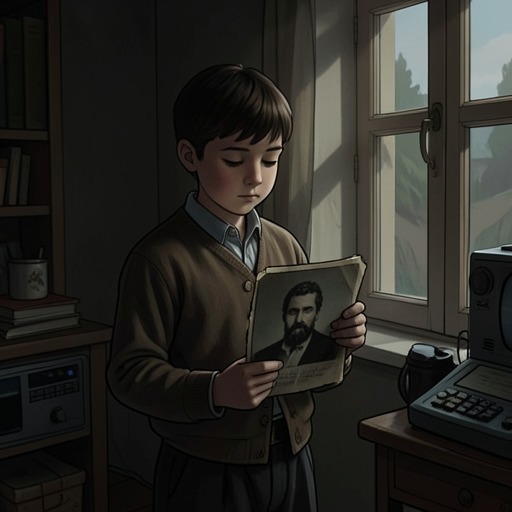
In the fall of 1989, when Apollo is a junior high school student at IS 237 in Flushing, the long silence is interrupted: he receives a message from Brian, described as a gift. The event does not make the preceding years of absence disappear. Rather, it makes the silence newly unstable. The man whom Apollo and Lillian had ceased expecting to discuss has found a way to reach his son, and the message revives the unresolved connection the family had tried to leave behind.
Fatherhood, Abandonment, and the Novel’s Contrasts
Later conversations in the novel place Brian’s absence alongside competing ideas of what a father owes his children. William Wheeler describes a model of fatherhood organized around work and provision. Looking back on his own family, he recognizes that earning money did not ensure intimacy: he failed to say aloud that he loved his daughters, assuming his sacrifices made his feelings obvious. His regret illuminates the difference between providing for a family and being emotionally present within it, without offering an explanation for Brian’s disappearance.
The novel also sets paternal abandonment beside more destructive claims made in the name of fatherhood. Kinder Garten describes being abandoned and says that being raised by a man like his father was worse. Jorgen Knudsen, meanwhile, connects his son’s grievances about lost economic security to the son’s decision to renew the family pact with the troll. These later histories are not presented as causes of Brian’s departure. They broaden the significance of the event: absence can wound a child, while appeals to protection, sacrifice, or inheritance can also be used to rationalize harm.
Against those contrasting examples, Apollo’s childhood response remains the most intimate measure of Brian’s disappearance. A father vanishes without a trace; a child dreams of being carried away with him and wakes longing for the invitation he never received. The family changes its name and establishes a demanding new routine, but neither action supplies the missing explanation. The disappearance matters both as a mystery in Apollo’s life and as the formative absence around which his early understanding of family takes shape.